Public showers are a normal part of everyday life. Gyms, college dorms, locker rooms, pools, hotels, and shared housing all rely on communal shower spaces. Whether someone is traveling and searching for a public shower near me or using a gym shower as part of a daily routine, the same question comes up often:
Are public showers actually clean?
The honest answer is yes — public showers are cleaned regularly. However, they are not cleaned between every use, and that difference matters when it comes to shower hygiene, especially foot care.
How Clean Are Public Showers Between Uses?
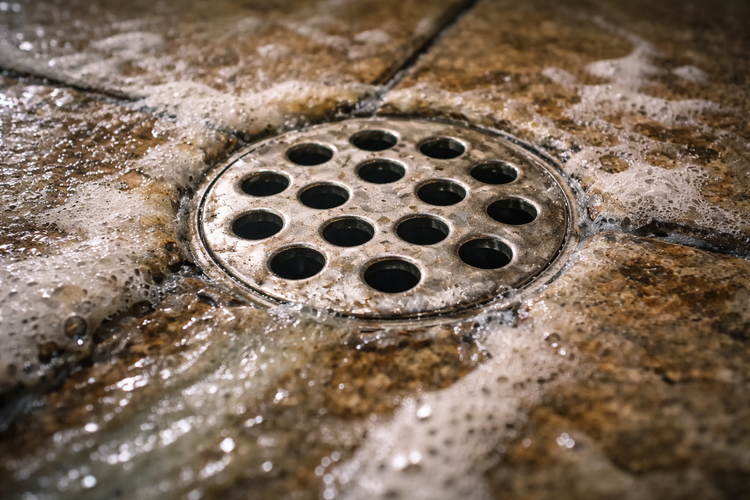
Most public showers are maintained on scheduled cleaning routines. Floors, walls, and drains are disinfected at specific times throughout the day or week. Between those cleanings, many people may use the same shower space.
During that time, it’s common for:
- Water to be tracked in from locker rooms
- Soap and body residue to build up on floors
-
Moisture to remain on surfaces for long periods
Even when a shower looks clean, the combination of warmth, moisture, and high traffic makes it difficult to keep surfaces consistently hygienic throughout the day.
Why Feet Are the Most Exposed in Public Showers
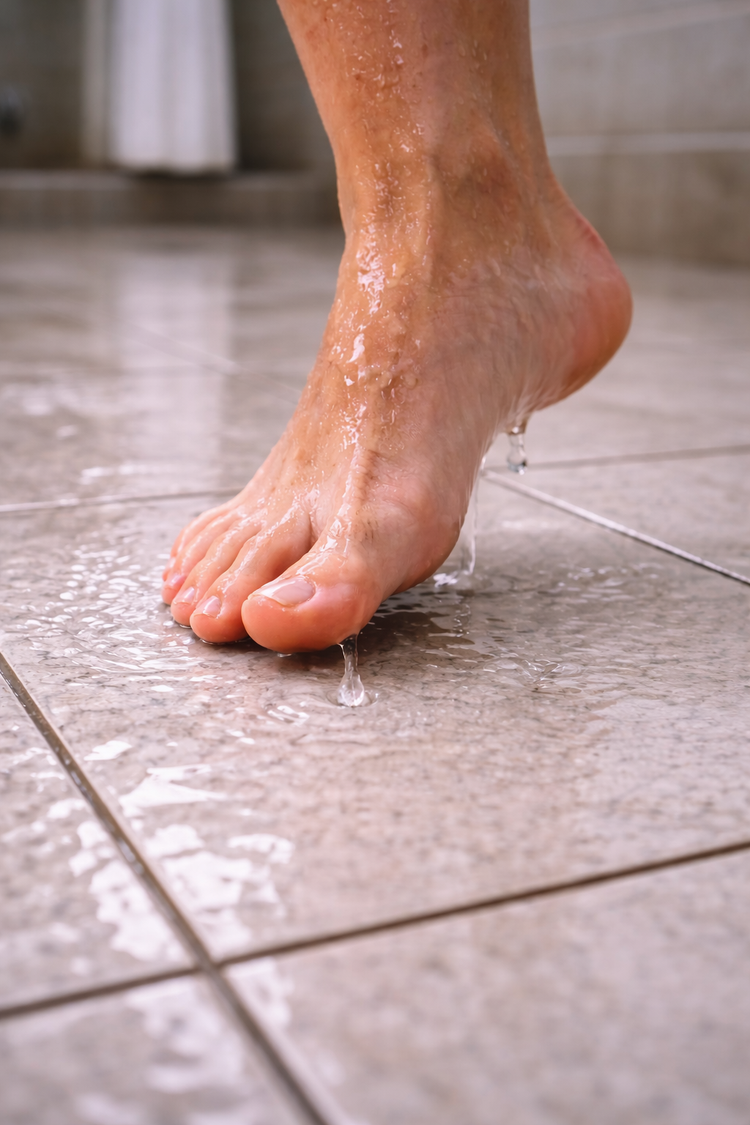
Feet are the only part of the body that stay in constant contact with the shower floor. While the rest of the body is rinsed with running water, feet often remain planted on shared surfaces.
In public showers, feet may:
- Stand in pooled water
- Touch the same tile, grout, and drain areas as others
-
Stay damp longer than other parts of the body
This is why so many people search for topics like foot fungus from gym showers, athlete’s foot from public showers, and foot hygiene in shared showers. It’s not about alarm — it’s about understanding how shared environments work.
How People Protect Their Feet in Public Showers
Because public showers are shared spaces, many people choose to create a barrier between their feet and the shower floor. Traditional shower shoes are one option, but not everyone finds them comfortable or effective.
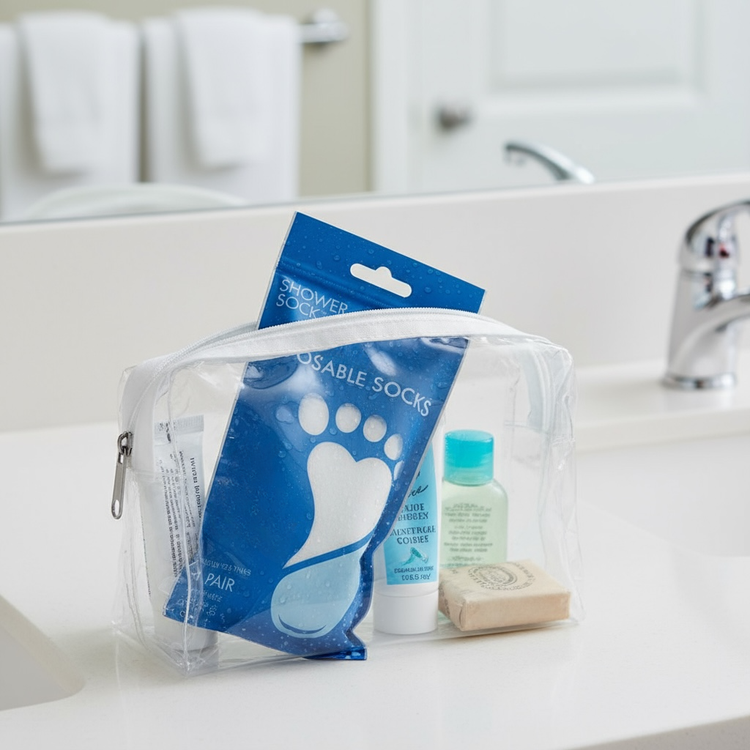
Some people prefer alternatives that offer more coverage, such as ShowerSock. Unlike flip-flops or open shower shoes, ShowerSock is designed to cover the entire foot, helping reduce direct contact with shared surfaces while still feeling lightweight and easy to wear in wet environments.
Why ShowerSock Fits Into a Smart Hygiene Routine
ShowerSock was created specifically for shared shower use. Its design focuses on protection without the bulk of traditional shower footwear.
Features people appreciate include:
- Full foot coverage to limit exposure to shower floors
- A non-slip material that helps improve traction on wet surfaces
- A lightweight feel that’s easy to walk in
-
Simple care and air-drying between uses
By covering the entire foot, ShowerSock supports better foot hygiene in gyms, dorms, pools, and while traveling — especially in spaces where showers are used by many people throughout the day.
Shower Hygiene Doesn’t End When the Water Turns Off
Public shower use is also connected to everyday comfort issues like dry or irritated feet. Hot water, frequent showers, and extended moisture exposure can contribute to dry feet, dry cracked feet, or flaky skin.
Foot odor is another common concern. Moisture trapped on the skin or in footwear can lead people to wonder why their feet smell or how to clean stinky feet. Drying feet thoroughly after showering, wearing clean socks, and using breathable footwear all help manage these issues.
Common Questions About Public Shower Cleanliness
Are public showers dirty?
Public showers are shared and moisture-heavy by design. While they are cleaned regularly, they are not disinfected after every person, which is why personal hygiene habits play an important role.
Can you get foot fungus from a gym shower?
Shared, damp environments can increase exposure to fungi. Wearing foot protection and drying feet thoroughly afterward helps reduce risk.
What’s the best way to protect your feet in a shared shower?
Creating a physical barrier between your feet and the shower floor — such as wearing ShowerSock — combined with good drying habits, is one of the most practical approaches.
Final Thoughts on Public Shower Hygiene
Public showers are maintained, but they are not pristine between uses. They are wet, high-traffic environments designed for convenience rather than individual use.
That’s why small habits matter:
- Protecting your feet in shared showers
- Drying feet thoroughly after showering
-
Keeping shower gear clean and dry
Public showers may look clean, but personal hygiene choices play the biggest role in how clean they feel. For many people, using ShowerSock is simply part of a modern, practical shower hygiene routine.